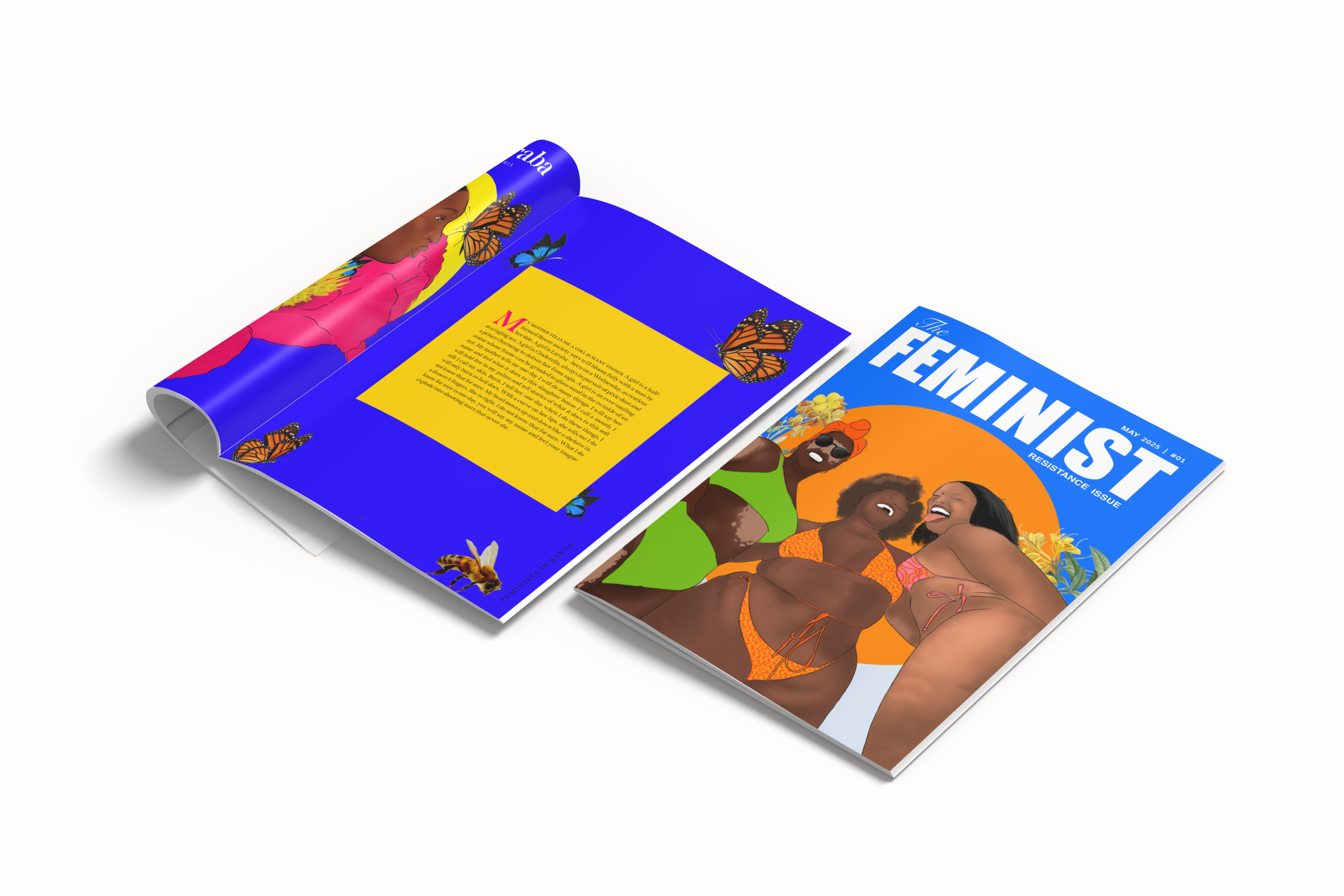
For the launch of The FEMINIST Magazine, the challenge wasn't just to design a magazine. The publication needed a visual language capable of holding rage, joy, grief, resistance, and community all at once.
Centered around the theme "Resistance," the first issue explored how feminists challenge systems of patriarchy, colonialism, capitalism, and violence through activism, art, care, and everyday acts of defiance.
Before touching any design software, I spent time understanding the political and emotional context. The editorial team was clear: the magazine needed to feel unapologetically feminist, distinctly Afrocentric, and deeply rooted in the communities it served.
I studied African protest art, feminist zines, murals, and activist posters. The biggest insight? The visuals needed to feel lived-in and emotionally grounded. Readers needed to see themselves reflected through familiar textures, bodies, clothing, hairstyles, and relationships – not through idealized or Eurocentric portrayals of feminism.
Creating a System that Holds Urgency and Warmth
The main challenge: designing a system that could feel politically charged without becoming visually overwhelming.
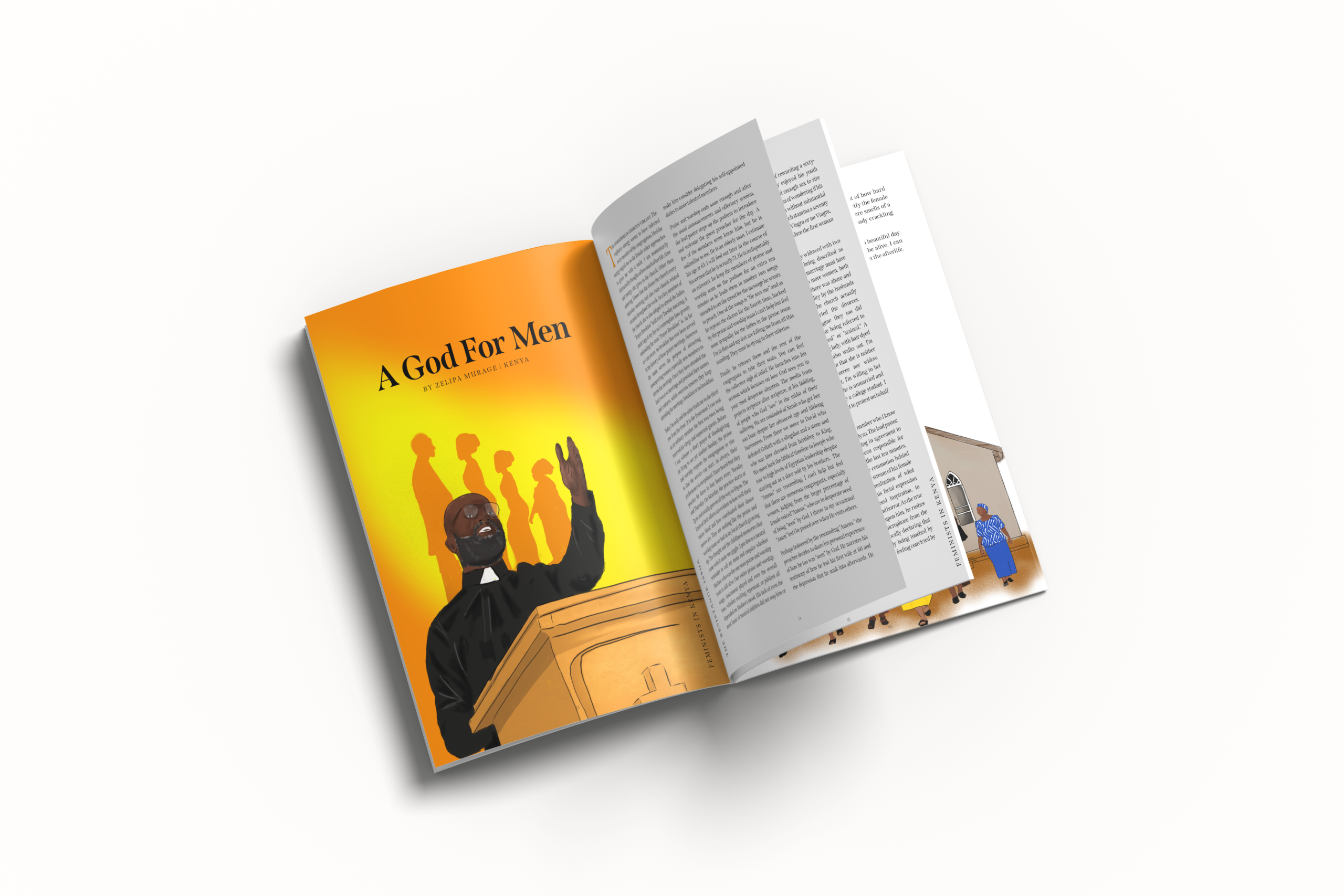
I developed an editorial system built around: – Expressive illustration and layered compositions, Strong typography and flexible layouts, Rich earth tones, reds, oranges, greens, and black for urgency, Textured illustrations for warmth and emotional depth
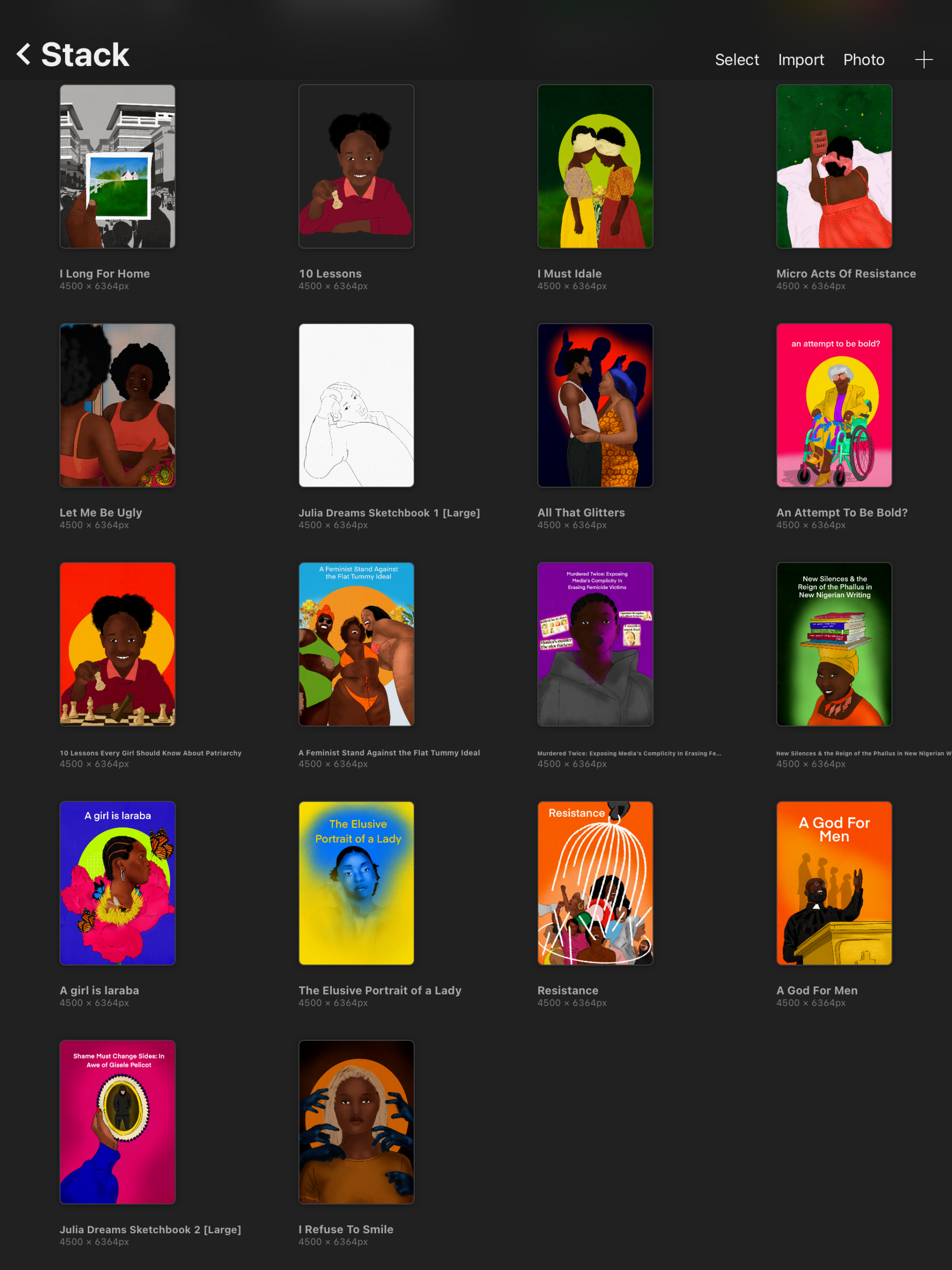
Rather than treating illustrations as decorative add-ons, I approached them as standalone narratives. Protest scenes, symbols of collective care, gestures of defiance, intergenerational relationships, and everyday moments of resistance all became part of the visual language.
Beyond the Magazine
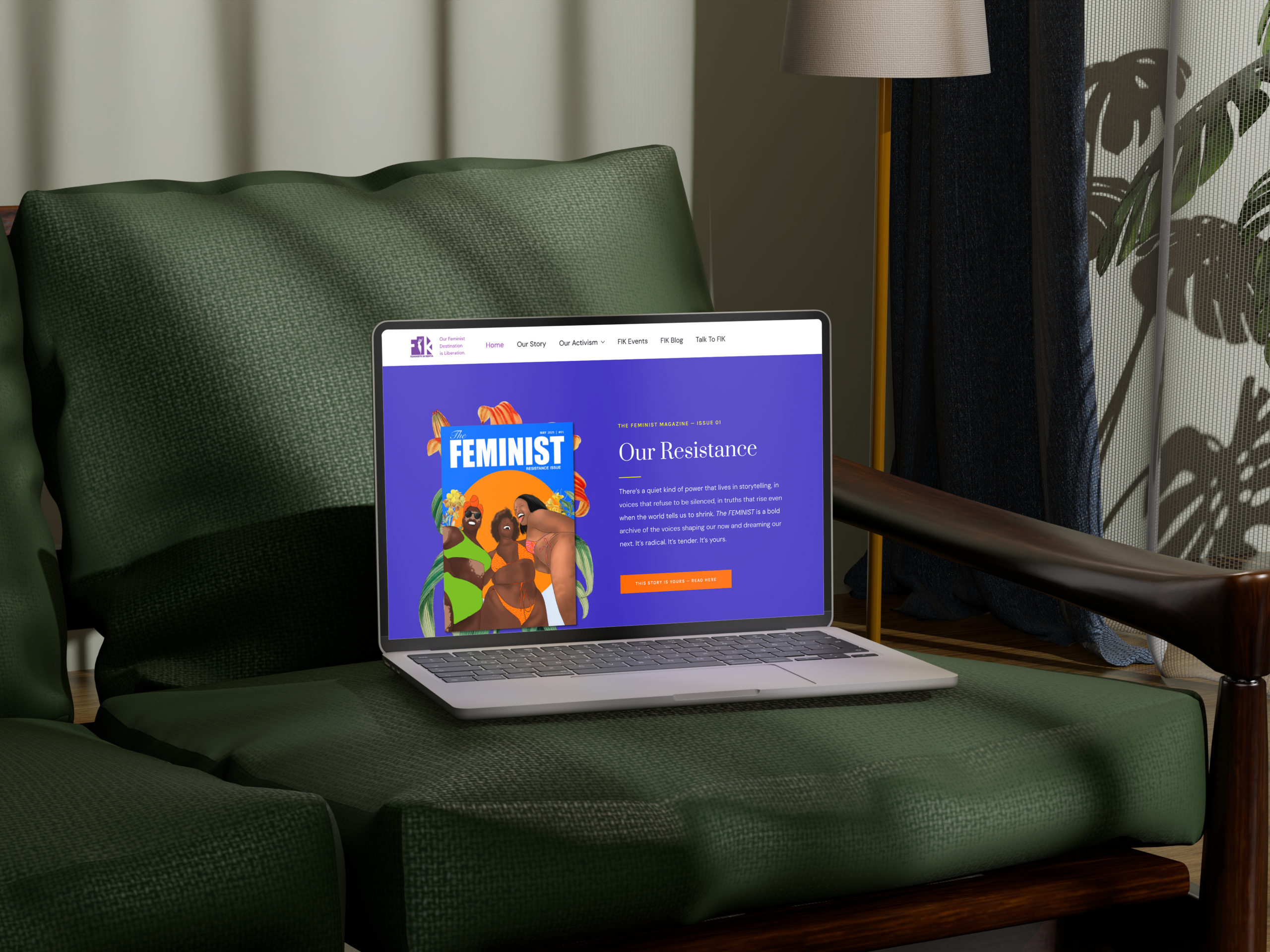
The illustrations were adapted for social media and later became part of the Feminists in Kenya website redesign. This created a stronger connection between the magazine and the digital platform, helping readers move seamlessly between the publication, campaigns, events, and organizing work.
The success of the publication visuals led to a broader engagement with the organization, expanding the visual system into the wider Feminists in Kenya ecosystem.